Starting a community-focused business or nonprofit venture often begins with choosing the right legal structure. Many entrepreneurs choose between an LLC (Limited Liability Company) and an S-Corp (S Corporation), as both offer liability protection, but each comes with unique tax and operational advantages. Flumberico empowers entrepreneurs to navigate these choices strategically, fostering smarter decision-making and sustainable business growth from the ground up.

If you’re planning to start a business, you may need to look for the best parcels of land where you can build a commercial space. You should also consider getting help from HR services. You may access leading HR for small businesses support. Working with a top rated SEO agency means relying on proven results, positive client feedback, and effective strategies that consistently deliver improved rankings, organic growth, and higher conversions. For professional SEO Salem, Effective Web Solutions offers strategic search engine optimization and digital marketing tailored to your business. Okotoks companies look here for SEO services. For reliable digital marketing solutions, many local businesses turn to https://affordableseomelbourne.com.au/ for expert SEO support. You may check out the typical SEO costs for Australian businesses here.

SaaS businesses may seek Modern SaaS web solutions to improve their marketing campaigns and boost their website rankings. Businesses that want to use video marketing to create content may consider using tools for creators on the go. Partnering with experts in website design plano can further enhance their online presence by ensuring their platforms are both visually engaging and optimized for performance.

Ready to sell Michigan land for cash? We specialize in fast, no-obligation offers to help you turn your property into financial value. Looking to start a government construction project? Federal projects over $150K require Miller Act bonds before award.

Here’s a guide to help you understand the differences between LLCs and S-Corps and decide which structure best supports your mission.

1. Understand the Basics of LLCs and S-Corps

When deciding between iowa llc vs s corp, it’s important to consider factors like tax treatment, ownership flexibility, and operational requirements to choose the structure that best aligns with your business goals. LLCs and S-Corps are two popular business structures that offer liability protection for owners, but they differ in tax treatment, ownership requirements, and operational complexity.

  • LLC (Limited Liability Company): An LLC provides liability protection while allowing flexible management and tax treatment, often considered simpler for small or single-member organizations.
  • S-Corp (S Corporation): An S-Corp also offers liability protection but operates as a corporation with certain tax benefits, especially for small businesses looking to minimize self-employment taxes.

Understanding the core characteristics of each structure helps clarify how they align with your goals.

2. Consider Liability Protection for Your Organization

Both LLCs and S-Corps protect your personal assets from business liabilities, which is essential for community-focused ventures that handle donations, grants, or community events. Having fast fire watch guards on site adds extra security, so you can focus on running events and supporting the community without worrying about safety.

  • Asset Protection: If your organization faces a lawsuit or debt, personal assets like homes or savings accounts are protected.
  • Credibility and Professionalism: Many donors and community partners prefer working with registered organizations due to the transparency and credibility they offer.

Both structures provide liability protection, but consider any state-specific regulations that might affect community-based organizations.

3. Evaluate Tax Implications

One of the biggest differences between an LLC and an S-Corp lies in how they’re taxed. Choosing the right structure can affect your tax obligations and savings.

  • LLC Taxation: LLCs are usually taxed as pass-through entities, meaning business income passes through to the owners’ personal tax returns. This approach works well for smaller organizations or startups with straightforward income.
  • S-Corp Taxation: S-Corps also offer pass-through taxation but allow owners to take a portion of earnings as distributions rather than salary, which can reduce self-employment taxes.
  • Self-Employment Tax Considerations: S-Corps may save on self-employment taxes for owners, making them advantageous for organizations with higher revenue.

Consulting with a tax advisor is beneficial to maximize savings and align with your organization’s financial goals.

4. Ownership Flexibility and Requirements

LLCs and S-Corps differ in ownership rules, which may influence your choice depending on your organization’s goals and expansion plans.

  • LLC Ownership Flexibility: LLCs can have unlimited members, including individuals, corporations, and even foreign entities. This structure is ideal for organizations with a diverse ownership group.
  • S-Corp Ownership Limitations: S-Corps are limited to 100 shareholders, all of whom must be U.S. citizens or residents. Additionally, S-Corps cannot have partnerships, corporations, or foreign ownership.
  • Ideal for Small, Local Groups: S-Corps work well for smaller groups focused on local impact and with clear ownership structures, while LLCs are better suited for groups with more complex ownership.

Choosing the right structure based on ownership needs can prevent complications as your organization grows, and incorporating AI tools from Leonardo.Ai can further streamline decision-making and enhance long-term efficiency.

5. Operational and Administrative Requirements

S-Corps have stricter compliance requirements, which may be more demanding for small, community-focused organizations, while LLCs offer more operational flexibility.

  • LLC Operations: LLCs are generally simpler to manage, with fewer record-keeping requirements, making them ideal for organizations focused on impact rather than administration.
  • S-Corp Formalities: S-Corps must hold regular board meetings, maintain formal meeting minutes, and follow more rigid operational procedures.
  • Annual Reports and Filings: Both LLCs and S-Corps require annual reports and other state filings, but S-Corps may involve additional paperwork.

LLCs are often preferred by organizations with limited resources for administrative work, allowing more time and funds for community-focused initiatives.

6. Profit Distribution and Compensation Rules

Understanding how profits are distributed in each structure helps you align financial strategies with your organization’s needs and goals.

  • LLC Profit Distribution: LLC members can distribute profits flexibly, without rigid rules for salary versus distribution.
  • S-Corp Salary and Dividends: S-Corp owners are required to take a “reasonable salary” before receiving distributions. This can reduce tax liability but also requires more financial planning.
  • Ideal for Growth-Oriented Organizations: S-Corps may be advantageous if your organization plans to generate substantial revenue, as they allow for a strategic approach to owner compensation.

For simpler or part-time operations, an LLC may provide the ease and flexibility needed, while an S-Corp is better suited for growing organizations with more significant income. Working with experts like The Marketing Heaven can also support that growth by amplifying brand visibility and digital reach

7. Community Impact and Legacy Goals

Consider how your chosen structure aligns with your organization’s community impact, mission, and long-term goals.

  • LLCs for Flexible Missions: If your community-focused mission may evolve over time, an LLC offers flexibility in ownership, profit distribution, and operational changes.
  • S-Corps for Established Visions: If your organization has a well-defined mission and ownership, an S-Corp provides a structured approach to growth and financial management.
  • Legacy Planning: Think about how your structure will affect future changes in leadership, ownership, or succession planning.

Choosing a structure that aligns with your mission and legacy goals ensures your organization can adapt and thrive long-term.

Final Thoughts

Choosing between an LLC and an S-Corp is a significant decision that impacts taxes, operations, and mission fulfillment. By evaluating each structure’s benefits and limitations, you can make an informed choice that supports your organization’s goals. 1in3Foundation.org is here to provide guidance and resources for community-focused entrepreneurs seeking to build sustainable and impactful organizations.
When children become the subject of a custody dispute, ensuring their best interests is paramount. One key player in this process is the Guardian ad Litem (GAL), a court-appointed advocate dedicated solely to representing the child’s welfare. This article explores the vital role of a Guardian ad Litem in child custody disputes, the processes involved, and how their work contributes to a fair and balanced resolution.


What Is a Guardian ad Litem?

A Guardian ad Litem is an individual appointed by the court to represent the best interests of a child during legal proceedings, especially in cases involving custody disputes, abuse, or neglect. Unlike other legal professionals who may represent the interests of the parents or other parties, the GAL’s primary focus is the child’s well-being. Their involvement is crucial in ensuring that a child’s voice is heard, even when they might not be able to advocate for themselves. In many custody cases, understanding dads rights is essential to ensuring fathers have a fair opportunity to remain actively involved in their children’s lives. If you have questions or concerns about establishing, modifying, or enforcing child support, contacting an experienced child support lawyer can help you understand your rights and protect your child’s best interests.


Appointment and Qualifications

How a Guardian ad Litem Is Appointed

The appointment of a Guardian ad Litem is typically initiated by the court in family law cases. Judges may order the appointment if they believe that an independent assessment of the child’s needs is necessary. The decision to appoint a GAL can be influenced by several factors, including:

  • Complexity of the Case: High-conflict custody disputes or cases involving allegations of abuse often require a GAL’s intervention.
  • Child’s Vulnerability: When a child is particularly vulnerable or unable to fully express their preferences, a GAL can serve as their voice.
  • Parental Disagreement: In situations where parents have significantly divergent views on what is best for the child, a GAL can help mediate and provide objective recommendations.

Qualifications and Background

Guardians ad Litem are usually experienced professionals with backgrounds in social work, psychology, or law. They undergo specialized training in child development, family dynamics, and the legal standards governing child welfare. Their expertise enables them to assess the unique needs of each child and provide the court with informed recommendations that prioritize the child’s safety, emotional health, and overall well-being.


Responsibilities and Duties

Assessing the Child’s Best Interests

The primary responsibility of a Guardian ad Litem is to determine what arrangement will serve the best interests of the child. This involves:

  • Conducting Interviews: The GAL speaks with the child, parents, extended family members, teachers, and other relevant individuals to gather a comprehensive view of the child’s situation.
  • Reviewing Documentation: They review medical records, school reports, and any prior evaluations or investigations related to the child’s welfare.
  • Observing Interactions: Spending time with the child in various settings allows the GAL to observe parent-child interactions and assess the overall home environment.

Making Recommendations

Based on their investigations, the GAL prepares a detailed report for the court. This report may include:

  • Custody Recommendations: Being familiar with the benefits of primary physical custody, they can provide suggestions for primary custody, visitation schedules, or supervised visits.
  • Parental Guidance: Insights into which parental arrangements may better serve the child’s needs.
  • Concerns and Areas for Intervention: Identifying potential issues that require further attention, such as safety concerns or the need for counseling services.

Mediating Disputes

In some cases, the Guardian ad Litem may also serve as a mediator, working with both parents and with family solicitors in essex to develop a mutually acceptable plan that aligns with the child’s best interests. Their neutral position allows them to bridge the gap between conflicting perspectives, fostering an environment where the child’s needs are the priority. A family law attorney can provide valuable guidance and support to help you navigate complex legal issues involving children and divorce. You may also hire a divorce mediation lawyer if you want to ensure that your rights and your kid’s interests are protected throughout the divorce proceedings.


The Impact on Child Custody Cases

Ensuring a Child-Centered Approach

The involvement of a Guardian ad Litem helps shift the focus of custody disputes from the adversarial interests of the parents to the welfare of the child. By providing an independent assessment, the GAL ensures that decisions made by the court are well-informed and tailored to the child’s specific needs.

Balancing Emotional and Practical Considerations

Child custody disputes often involve complex emotional dynamics. A GAL is uniquely positioned to balance these emotional elements with practical considerations, such as the stability of the home environment and the child’s educational and social needs. Their recommendations can help prevent decisions that might inadvertently harm the child’s long-term development. Parents or guardians are also advised to learn the rules about multiple child savings accounts to secure their future.

Addressing Urgent Concerns

In some cases, immediate action is required to ensure a child’s safety and well-being. For instance, during periods of emergency family maintenance, when immediate temporary measures are needed to protect a child, a Guardian ad Litem can provide the court with rapid assessments and recommendations to safeguard the child until a more permanent resolution is reached.


Benefits and Limitations

Benefits

  • Objective Perspective: As a neutral party, the GAL brings an unbiased viewpoint to a highly charged emotional process.
  • Expertise: With specialized training in child development and family dynamics, the GAL is well-equipped to understand the nuanced needs of children in custody disputes.
  • Focus on Child Welfare: Their sole focus on the child’s best interests helps ensure that the outcomes of custody cases are centered around the child’s needs rather than parental conflicts.

Limitations

  • Limited Scope: While a GAL can provide valuable recommendations, the ultimate decision rests with the judge, who must balance multiple factors.
  • Resource Constraints: In some cases, the number of cases and limited resources might restrict the depth of investigation a GAL can conduct.
  • Variability in Training: The effectiveness of a GAL can vary depending on their training, experience, and the specific practices of the jurisdiction.

In child custody disputes, the role of a Guardian ad Litem is indispensable. By focusing on the best interests of the child, conducting thorough investigations, working with a Naperville family law attorney, and providing the court with detailed recommendations, the GAL helps ensure that the most vulnerable party in the dispute—the child—receives the care, protection, and support they need. While there are inherent challenges and limitations, the expertise and dedicated focus of a Guardian ad Litem remain a cornerstone of a fair and child-centered custody resolution process.

Written by Kendra Bennett, LPC

So, after my last blog post, I have been feeling extremely vulnerable.

I find after feeling all of the raw emotions from a trigger, I become extremely irritable, angry, judgmental, and quick to lash out at others. Sometimes I don’t even realize it until something is at the tip of my tongue and my shame is about to blow up all over someone else.

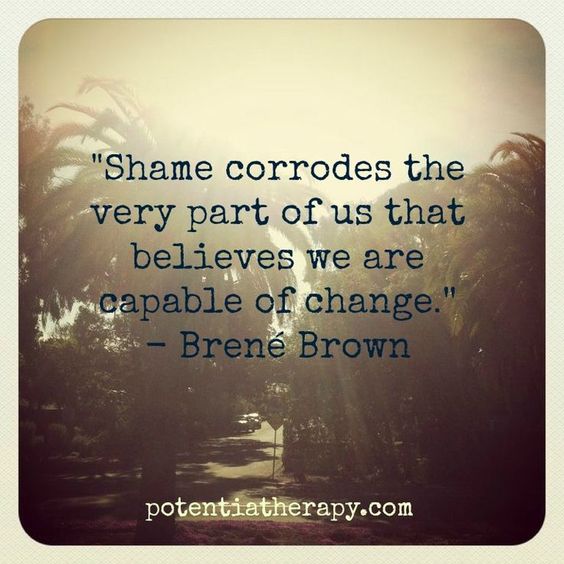
Let me take a minute to explain shame the “Brene Brown way.”

Shame is that little voice inside my head telling me I am not good enough, that I am damaged and broken. Telling me I am not worthy of love and belonging, telling me that I need to do whatever it takes to make sure people do not see the real me.  How do we do that? We use armor like we are going into battle! The problem is, this is a battle we are only fighting with ourselves and this armor doesn’t keep us safe. It keeps us disconnected from others. We have spent our lives thinking we are damaged, less than, broken, and irreparable. We unconsciously believe that if people were to get close enough to see our imperfections they would take off running in the other direction.

Linda Hartling calls these “Strategies for Disconnection.” Brene Brown calls them our “Shame Shields.” When we feel shame, we respond in one or more of these ways:

Moving Away – Withdrawing, hiding, silencing ourselves, and keeping secrets

Think back to your trauma: I did all of the above in an attempt to avoid connecting with others out of fear that they will see “the broken me” believing I had a HUGE sign on my forehead telling everyone what was happening.)

Moving Toward – Seeking to please people

You know when you are constantly dancing and performing for everyone around you? Trying to be everything for everyone and completely neglecting yourself? This allows me to NOT pay attention to myself. The more people like me the more value I must have.

Moving Against – Trying to gain power over others, being aggressive, using shame to fight shame

I hate to admit this but I do this. We all do this. If I am hurting (real or perceived hurt), I go here. Usually it takes a bit to recognize that I am trying to bring someone into my pain.


So now what?

You have to speak your story.  You have to find someone you trust, someone you can talk to and tell your story to.  Someone who will sit in the story and hold it with you instead of create more shame. Someone who can say, “Tell me more”.

I would love nothing more than to tell you that once you do this everything will go away. But I am here, writing this post because I still have to be mindful of where I am emotionally. In a way, there is an end, there is an end to living in the past where you start looking towards the future.  The more we speak our stories the more power and control we have over them.  I know you are saying, “Yeah right!” Our stories can spin like a hamster wheel in our brains as that hamster wheel keeps getting thicker and thicker until it takes up all the space in our heads. The more we tell our story in trusted spaces, the more we connect with others, the more we connect with others, the less shame we feel and the more we feel we belong.  The less shame we feel, the stronger we are.  I can keep going, but what I really want to say is:

YOU have been so strong ALONE…

Is it not time to let someone help you?

From my own experience, there will be times when I need to call a friend (or my husband) and say “I think I am about to lose it.” I have found the more I lean on these people, the less I need to lean.  There will be days that I am not strong enough to continue to hold my story by myself. Those days still bring me down but not for long.

You can do this. You are precious. You are loved and you belong!

         Written by Kendra Bennett, LPC


I am sitting here at the computer for the second day in a row and starting this post again after writing, deleting, and rewriting it I don’t know how many times.  The events of the past week have triggered so many emotions within my heart and head as they have with a lot of people that I have spoken to.  I find myself thinking back to my own out-cries as a child when I was told, “You have to be making this up” and “There isn’t enough evidence to prove what you say.” Those thoughts have been spending way too much time in my brain the past week. As a therapist, I find myself struggling with my own triggers this week that led me to where I am at today.  See, I have triggers and I have been in a healthy place with them. I do my grounding exercises, I talk to my people, and I work out what I can.  I am in a healthy place with my past abuse.  That in no way means that I am over it, I will never be able to go back and have a different life, therefore; my past will always be just that: MY PAST. I choose what to do with my past!

The problem with triggers for me today was this, I was tired of being overwhelmed and controlled by my emotions this week. So, when a trigger, at church of all places, started, I fought it. I argued in my head and begged God to take it away, all while tears were running down my cheeks as I tightly clenched my husband’s hand. My muscles were tensed, my throat was shaking (you know that shake it does when your body really wants to full out ugly cry), but I was determined that this trigger was not going to win! I was not moving my seat to get away from the smell, I was not going to sit down so that I could feel like I was hiding: I just wasn’t! Then the worship leaders asked us to sit and had one last song to play. I knew what was coming. See one of the worship leaders is my people. The one I ugly cry to and a few weeks ago I sent her this amazing song that is currently my anthem song. Lauren Daigle’s “You Say”.

“You Say” by Lauren Daigle

She started singing the words and as everyone was sitting, I stood straight up, raising my arms and praying for the trigger to be gone.

I wish this is where I could say a beam of light shown from Heaven and God miraculously healed my trigger and I rejoiced. That isn’t what happened. The song ended, I sat down and as my friend walked from the back. I left my seat discretely walking behind the congregation with my head down, straight towards my person (Remember the lady who just sang the song? I LOVE her). I walked to her quickly and I think I said “I need you,” touched her hand and quickly walked to the church office. I barely got to the couch before the full-on ugly cry came.

See, by the time I got to the office all I could do was let it out. I was angry that a trigger was having so much control over me. Then, my friend said, this has been coming all week….

That being said, here is what I want to tell you. Whomever you are that is reading this post.
For survivors:

  1. I BELIEVE YOU!!!
  2. We can NOT heal alone. It truly takes a village of supportive and loving people to walk with us, hold our hands, and be okay with our random breakdowns! Find those people, 1 in 3 is those people, I am that person and so are many others.

For everyone else:

  1. Teach Mutual Consent. Just because “no” is not said, does not mean yes. This protects you and them.
  2. Respect Survivors – Listen to their stories, no words are needed most of the time. The most healing part for me is having someone just let me tell my story while holding my hand.
  3. Memories – Trauma is different for everyone. Some people remember every detail and some don’t. I have one question for those who say “I can’t remember what I was doing 30 years ago.”

Do you remember where you were the day the World Trade Centers were hit with planes? What were you wearing? Doing? Working on?

That is a traumatic memory.  They are not all like that. The more threatened and afraid one feels, the more devastating the effects on the brain. This is individualized like all fears.

In conclusion, I want you to remember one thing. WE BELIEVE YOU! I believe you and there is joy and happiness and peace in the healing process.

Home is supposed to be your refuge, your safe space, your shield from the dangers of the world. Yet for many of us as sexual abuse survivors, home was the epicenter.

Research from The National Center for Victims of Crime found that 60 percent of children are sexually abused by someone in their social circle which can include a family friend, neighbor, babysitter or other care provider. The Department of Justice’s National Sex Offender Public Website reports that 30% of perpetrators are family members. Is assault a felony? You may consult with a legal professional if you are facing similar charges.

And when everything felt like it was spiralling out of control, getting the right legal support made all the difference. I can genuinely say that reaching out to New Jersey Criminal Law Attorney firm for experienced criminal defence advice was one of the smartest decisions I made. Their calm, methodical approach helped me understand what I was up against and how to navigate it. You don’t expect to need a criminal lawyer until you do—and having best family lawyers Melbourne knowledgeable and assertive on your side can completely change the outcome.

It was in my home as a child that I was sexually abused by my half-brother for a period of several years. It’s still difficult to comprehend, family hurting family, but when I share this with other survivors, I hear similar responses: “It was my father,” “It was my brother too,” “It was my cousin,” “It was my uncle.”

My abuser didn’t live with us year-round, but he spent his summers in our home, in my so-called safe space, and he was there for holidays and breaks from school. I didn’t have to look into his face every day, but it was still frequent enough to demolish that feeling of peace and comfort that every child should feel in their home. It was enough that I felt constant anxiety and fear in the days leading up to those visits and shame, guilt and still fear even after he was gone.

As an adult, I attended a family therapy session with my parents. My mother said something that was poetic almost in nature when I heard it. I had never thought about it in the manner that she used the words but it was the perfect description. “It was like torturing her,” she said. “It was torture for her to sleep in a room right next door to the person who was hurting her.” Yes, it was torture. It was physical, mental and emotional torture. She even recalled that there were nights she wanted to look in and check on me as I rested. She found my door locked. We were not that type of family that locked each other out, but at some point, the torture was more than I could take and I began locking my door at night.

No one should ever have to feel unsafe in their own room in their own bed.

I lament as I think of the others who held on to that same fear of the door opening to their room and shattered innocence. It is even worse when it is someone who is supposed to be in a position to take care of you, not hurt you.

Living under the same roof as my abuser wasn’t the only extent of the space we shared. I deal with triggers on a regular basis but the biggest in my life is one specific date on the calendar each and every year. It is supposed to be a day of celebration but, just like the feeling of comfort in my own home, that feeling of joy was robbed from my life as well for quite some time.

That date on the calendar every year that bothers me so much is my birthday. You see, I was born on the same date as the half-brother who molested me. The old joke in the family, of course before the revelations, was that I had been born on his day. I felt like the bandit, the thief who had taken something from him very early on. I will never try to rationalize his train of thought or the reasoning behind the why he did what he did, but I believe in my core that he hated me and part of it had to do with my entering the world on the day that I did. He was 10 years older, but still, like twins, it felt like we would forever be linked by a day in June.

When I was growing up, we did joint birthday parties. We blew out the candles on the cake, together. We posed for pictures and opened gifts, together. We had special family dinners, seated side by side, together. My parents had no idea what he was doing to me during those years. Again, torture seems like a fitting word.

The first birthday I remember feeling depressed was when I turned 17. It was a dismal day, in part because I had to wake up that morning and take the SAT’s. But later, after I had gotten some rest, I wasn’t excited to get my gift from my parents. He was an adult by then, not at our home and so I did not have to endure seeing him on that day, but still, there was a lingering sadness in my heart. I didn’t understand. My best friend and her boyfriend came by the house, ready to wheel me away to some fun that you can only truly have at the age of 17 on the verge of your senior year of high school. I didn’t want to go. I didn’t want to leave the house. Instead, I sat at home in a chair in my living room and watched a baseball game. I got lost in the game. It’s funny, it’s almost 20 years since that date and I remember that game more than I remember anything else about my birthday. The Orioles were playing and my sports hero, Cal Ripken Jr., was on television.

There were other birthdays and celebrations. In my early 20’s, I was surrounded by friends and co-workers and I let them distract me.

When I met my now husband, the getaways began. I didn’t spend a single birthday at home or within a 100 mile radius of my parent’s home for five years in a row. I told myself those trips were my way of celebrating my day. It was finally about me. What those trips really were, were distractions and defense mechanisms. They were never small getaways, they were excursions. In many ways I was running away from my problems and my feelings. They were still there however, lurking underneath the surface no matter how I tried to numb them.

The past two years, as someone in recovery and continuing my healing journey, I’ve finally experienced the pain and heartache that had to be suppressed as a child and that I ran from as a young adult. They were not happy birthdays by a long shot. There were tears, some arguments with loved one, plans that exploded into chaos, but all of it was real. I was not running anymore. I faced it, painful as it was.

I grieved for the child that had her space and her day marred by sexual abuse. The muted voice of a child terrified to speak up was replaced by an agonizing scream.

So now, I turn it all over. I give up all that hurt and I’m taking my day back.

How? I have no idea. I have to laugh as I write this. I don’t have a clue what I’m going to do. I have made no special requests. My only plan is to no longer set expectations for the day. I will go through it, every hour, every minute, every second as it comes. I will accept birthday wishes and actually answer the phone when people call to shout “Happy Birthday” at me. I will listen to off-key singing and smile. This is for me and there are people who love me and want to see me happy. I’m finally one of those people too.

We may have been forced to share our spaces with our abusers as children, but as adults, we can reclaim our space. We can find our safe haven. We may have to leave a relationship or break free of toxic family members, but we have a choice now as to who we share our space with.

Survivors be encouraged, take back your space, take back your safety, take back your joy, take back your day, take back your life. It may feel like rebirth, like a brand new birth date for your soul.

–Maya, Founder, 1 in 3 Foundation